By Dr. Stacy
November 12, 2026
Bringing a pet to a new veterinary practice is an important step in maintaining its health and well-being. Whether welcoming a new puppy or kitten into the family, scheduling a routine examination, or addressing a health concern, the first appointment helps establish a relationship between the pet, its owner, and the veterinary team. Understanding what happens during this visit can make the experience less stressful and help owners feel prepared. From completing paperwork to discussing medical history and receiving recommendations, each part of the appointment serves a purpose. An animal hospital provides an opportunity for pets to receive professional attention while giving owners a place to ask questions and learn about preventive care. Knowing what to expect can make the initial visit more comfortable for everyone involved.
Prepare Your Pet for the Appointment
Preparation begins before arriving at the veterinary practice. Owners should gather relevant information about their pet, including vaccination records, previous medical documentation, medication details, and any known allergies. If the pet has recently received care from another veterinarian, requesting those records beforehand can help the new team understand its medical background.
It is also helpful to make a note of any concerns that have developed at home. Changes in appetite, unusual behavior, digestive problems, skin irritation, or differences in activity levels may be important to discuss. Writing down observations makes it easier to communicate specific details during the appointment rather than trying to remember everything during the conversation.
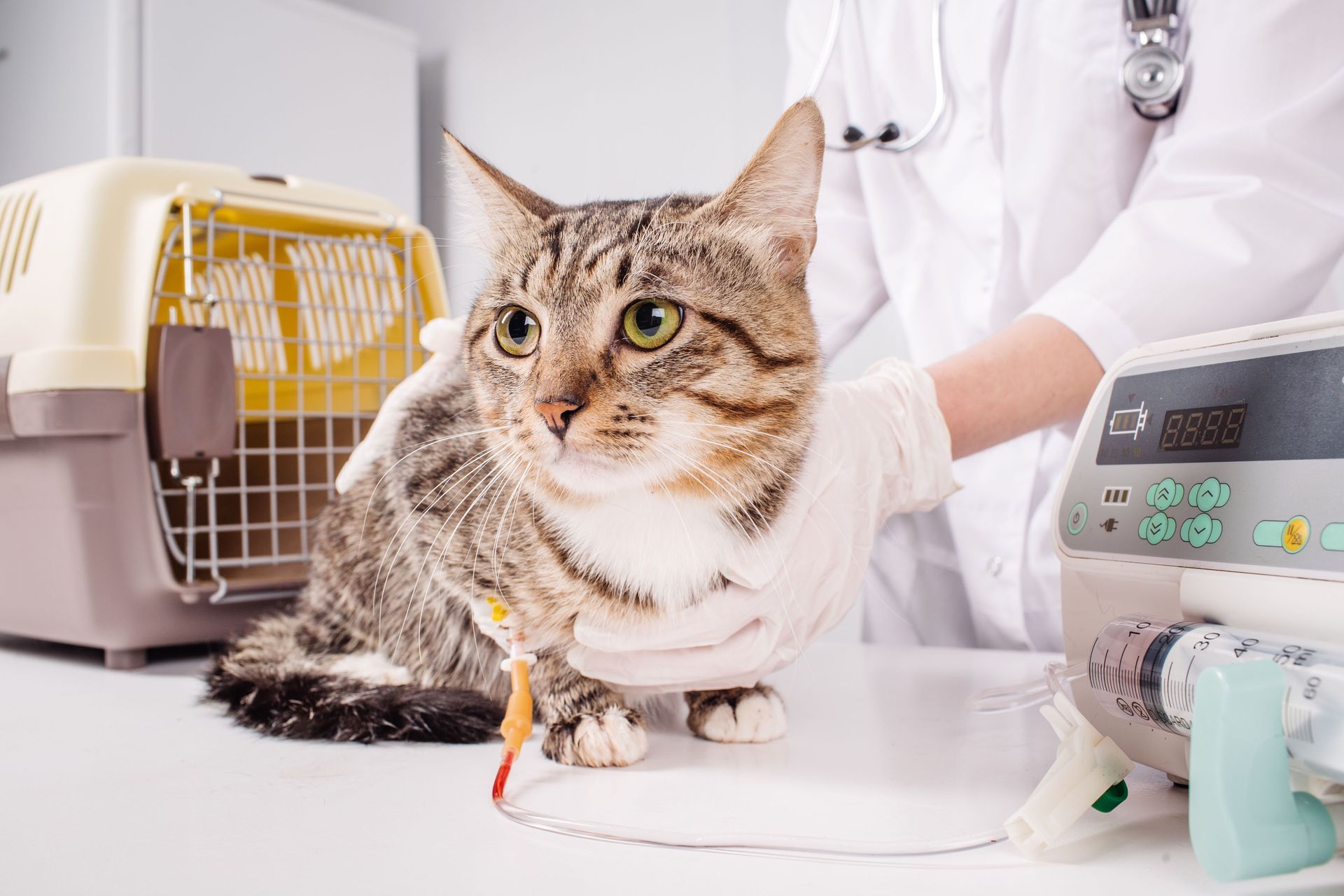
Transportation is another consideration. Cats should generally travel in secure carriers, while dogs should arrive on a leash or in an appropriate carrier. Bringing a familiar blanket or small comfort item may help reduce anxiety. Allowing enough time to arrive without rushing can also make the experience more manageable.
Complete the Initial Registration
When arriving at an animal hospital for the first time, owners will typically complete registration paperwork. This process provides the veterinary team with essential information about the pet and its household. Forms may request contact details, emergency contacts, previous veterinary information, and a summary of the reason for the visit.
Medical history is particularly important because it helps establish a baseline for future care. Owners should provide information about previous illnesses, surgeries, vaccinations, medications, and known reactions to treatments. Even details that seem minor may help the veterinarian make informed recommendations.
The registration process also provides an opportunity to discuss the practice's procedures. Owners can ask about appointment scheduling, prescription refills, payment policies, and how the clinic handles urgent concerns. Understanding these details early can make future visits easier and help establish clear communication with the veterinary team.
Meet the Veterinary Team
The first appointment is also an opportunity to become familiar with the professionals responsible for the pet's care. Depending on the practice, owners may interact with reception staff, veterinary technicians, assistants, and the veterinarian. Each team member contributes to the overall experience by helping with communication, examination preparation, and patient care.
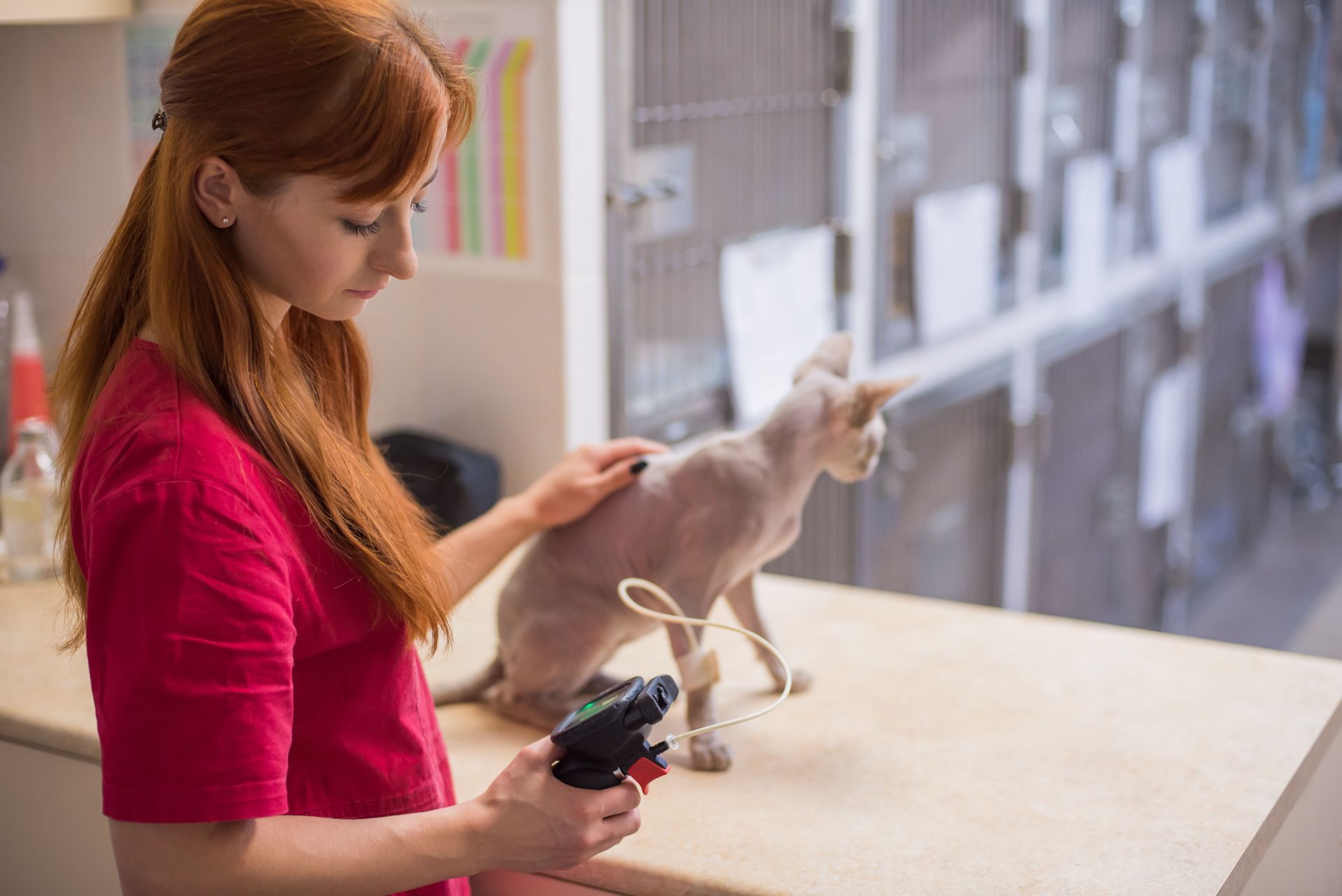
Veterinary technicians may collect preliminary information, including the pet's weight, temperature, and other basic measurements. They may also ask questions about eating habits, activity levels, behavior, and current medications. This information helps the veterinarian understand the pet's general condition before beginning the examination.
Building a comfortable relationship with the veterinary team is valuable for ongoing care. Owners should feel encouraged to ask questions and explain their concerns. Clear communication helps the staff understand the pet's individual needs and allows owners to become more confident about future appointments.
Understand the Physical Examination
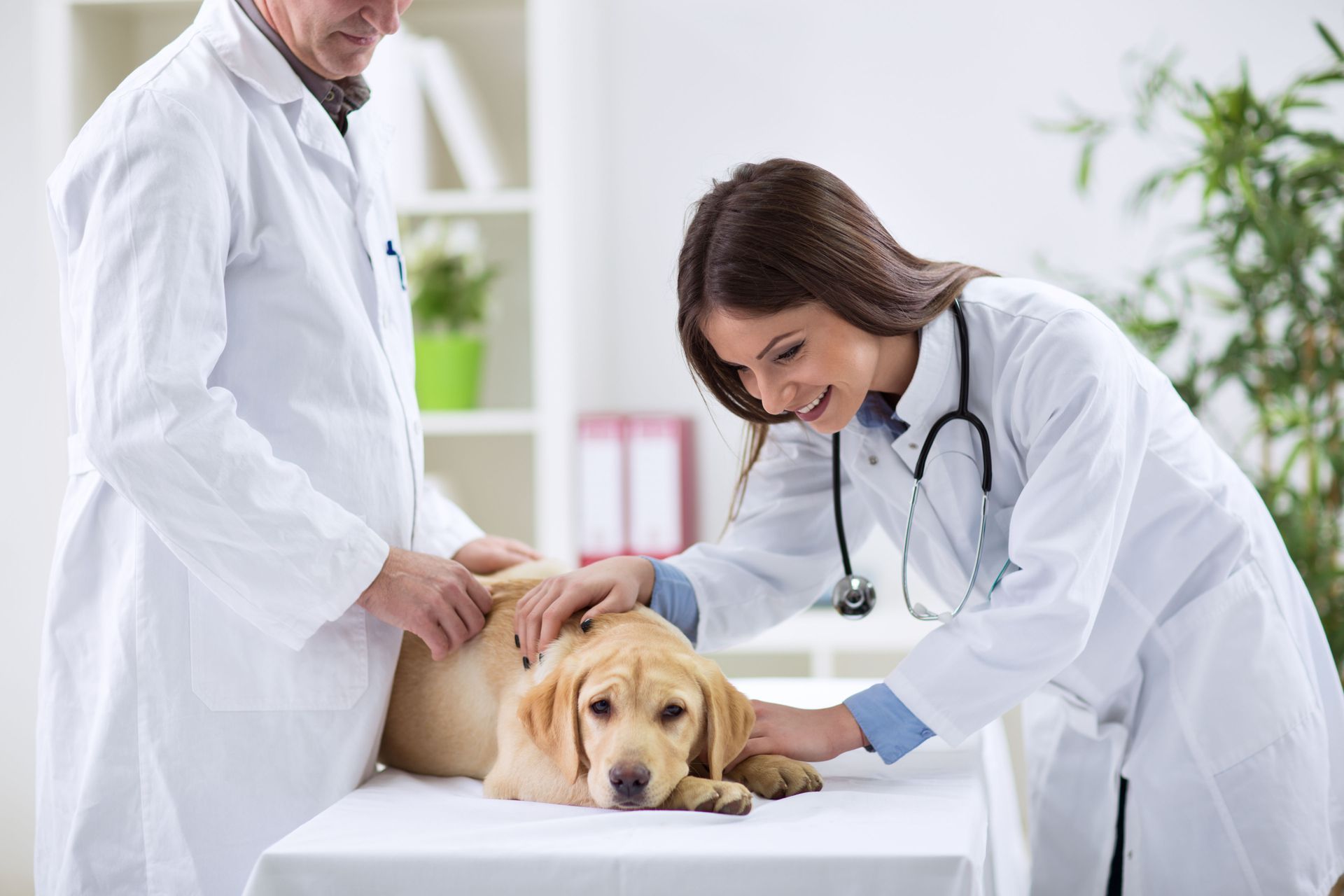
A physical examination is usually a central part of an initial veterinary visit. The veterinarian evaluates the pet's general condition and looks for signs that may require further attention. This assessment commonly includes checking the eyes, ears, mouth, teeth, skin, coat, heart, lungs, and abdomen.
The veterinarian may also evaluate movement, posture, body condition, and other physical characteristics. These observations help identify potential concerns that may not be obvious at home. Even when a pet appears healthy, an examination can reveal early changes that deserve monitoring or additional evaluation.
Owners should take this opportunity to mention anything unusual they have noticed. Questions about scratching, coughing, changes in bathroom habits, or differences in energy levels can help guide the examination. Depending on the findings, the veterinarian may recommend diagnostic testing, treatment, or follow-up care.
The experience can feel unfamiliar for some animals, particularly those that are nervous around new people or environments. Remaining calm and following the veterinary team's instructions can help the examination proceed more comfortably. The team can also explain what is happening and discuss ways to make future appointments easier.
Discuss Preventive Care and Health Recommendations
Once the examination is complete, the veterinarian may discuss preventive care based on the pet's age, lifestyle, medical history, and overall condition. Recommendations can include vaccinations, parasite prevention, dental care, nutrition, exercise, and routine wellness examinations. These discussions help owners understand which measures support their pet's long-term health.
Vaccination recommendations vary according to the animal's needs and potential exposure to certain diseases. The veterinarian can explain which vaccines are appropriate and when additional doses or boosters may be needed. Owners can also discuss flea, tick, and heartworm prevention, particularly if their pet spends time outdoors or interacts with other animals.
Nutrition is another important subject. The veterinary team may evaluate the pet's weight and body condition before discussing food choices, portion sizes, and feeding routines. Owners can ask about treats, dietary changes, and any concerns involving appetite or digestion.
Preventive care is relevant to many households. According to Statista, 66% of households--or 86.9 million homes--have at least one pet. Regular veterinary attention helps pet owners stay informed about their animals' changing health needs and make appropriate care decisions.
Review Next Steps and Schedule Future Visits
Before leaving the practice, owners should understand the recommendations made during the appointment. If the veterinarian identifies a concern that requires additional attention, the team can explain the proposed treatment or diagnostic process. Owners should ask about medication instructions, possible side effects, and what changes to monitor at home.
If the pet needs vaccinations, laboratory testing, or follow-up examinations, the veterinary staff can explain the recommended timing. Scheduling future appointments before leaving can help owners stay organized and avoid overlooking important preventive care.
It is also useful to confirm how the practice handles communication between visits. Owners may want to know how to request prescription refills, obtain medical records, or ask questions about a developing concern. Understanding these procedures makes it easier to maintain continuity of care.
After returning home, owners should observe how their pets respond to the visit. Some animals may need time to settle after an unfamiliar experience. Following the veterinarian's instructions and keeping track of any recommended changes can help support a smooth transition into an ongoing care routine.
A first veterinary appointment is more than an introduction to a new practice. It establishes a foundation for monitoring health, addressing concerns, and making informed decisions throughout a pet's life. Preparing relevant records, communicating observations, and asking questions can help owners get the most from the experience. Choosing an
animal hospital that prioritizes clear communication and attentive care can also make future appointments more comfortable. Contact Tri County Veterinary Clinic to schedule your pet's first visit and take an important step toward supporting its health and well-being.