By Dr. Stacy
October 14, 2026
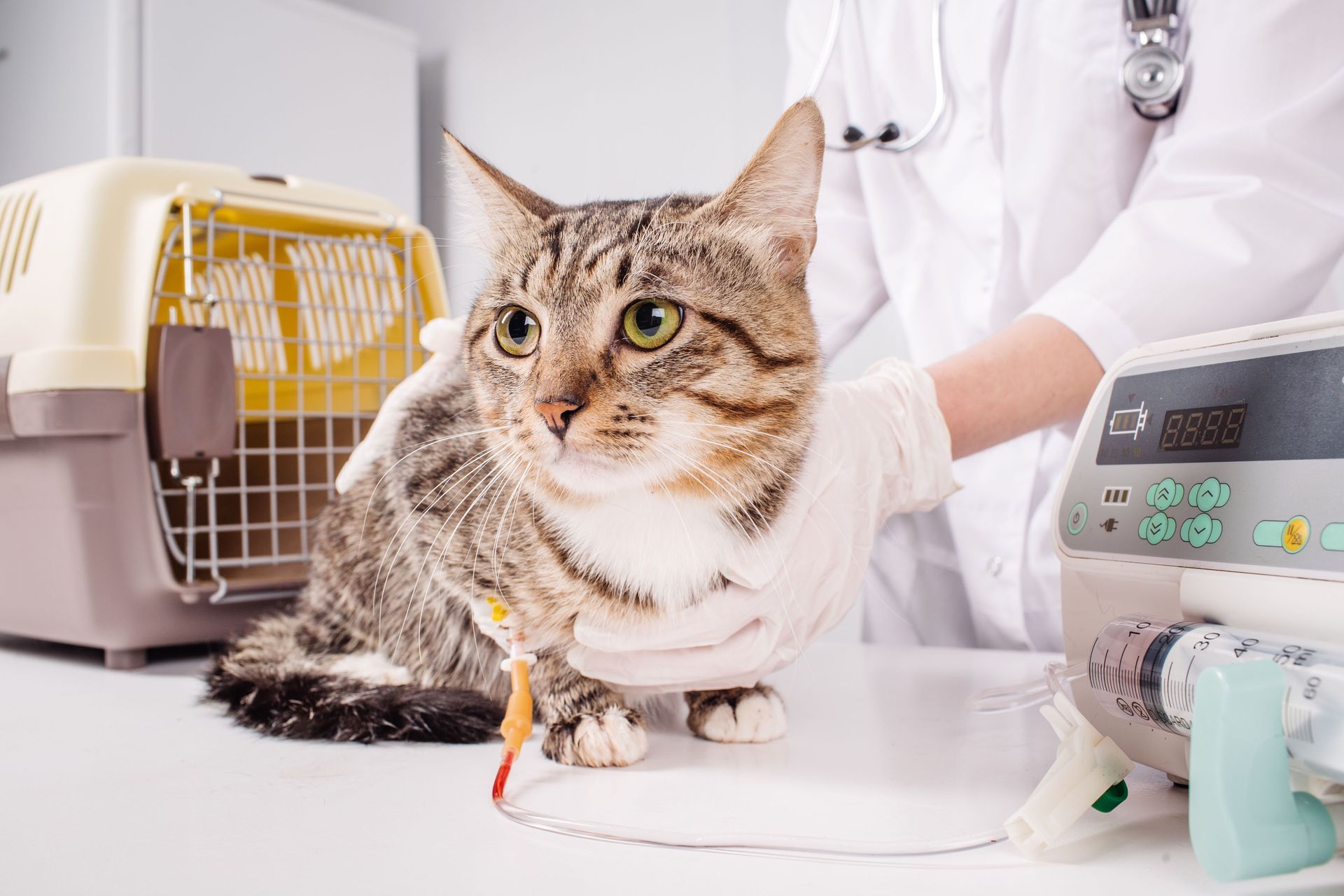
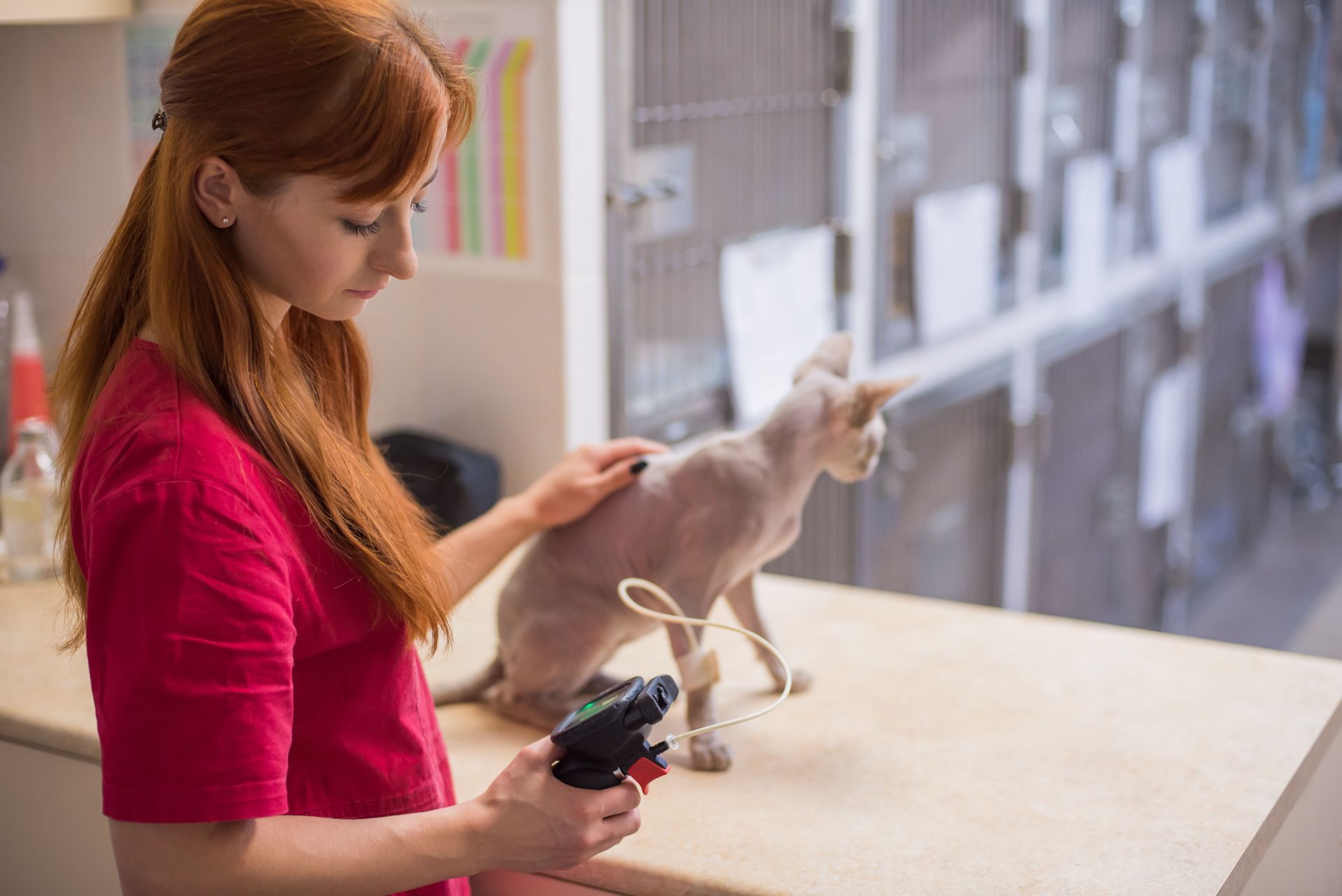
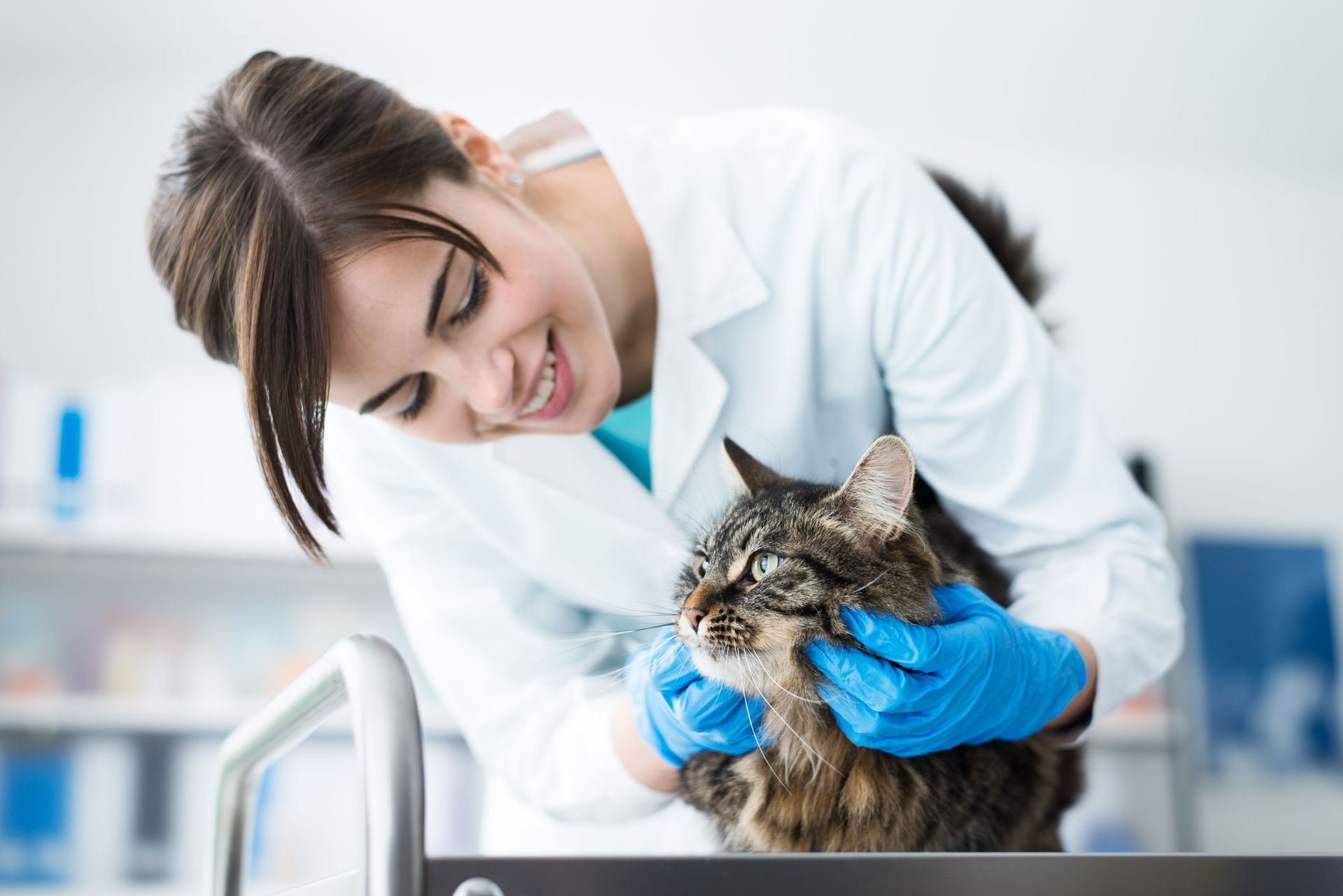
When a beloved companion experiences a sudden health crisis, every second counts. Pet health emergencies often strike during evening hours, weekends, or holidays when standard veterinary offices are closed. During these stressful moments, emergency vet clinics serve as critical lifelines, providing round-the-clock urgent triage, advanced diagnostics, intensive care, and life-saving surgical procedures. Understanding the most frequent reasons pets require urgent veterinary attention can help owners recognize warning signs quickly and take immediate action. Below is a comprehensive breakdown of the conditions most frequently treated by emergency veterinary medical teams.
Swallowing Dangerous Foreign Objects and Toxins
Pets are naturally curious creatures, and their exploratory habits frequently lead to the accidental ingestion of harmful items. Common household hazards include toxic foods like dark chocolate, xylitol-sweetened products, raisins, and onions, as well as human prescription medications, rodenticides, and household chemicals. In addition to chemical toxins, pets, especially puppies and young dogs, often swallow non-food items such as socks, rubber balls, hair ties, coins, or string.
When toxic substances or non-digestible objects enter a pet's system, rapid intervention is critical to prevent severe internal damage, organ failure, or intestinal perforation. Veterinary medical teams at emergency vet clinics utilize diagnostic tools such as abdominal radiographs and ultrasound imaging to pinpoint the location of ingested items. Depending on the timeline and nature of the ingestion, treatment may involve inducing safe vomiting, administering activated charcoal to neutralize toxins, performing endoscopic retrieval, or initiating emergency abdominal surgery to remove life-threatening blockages.
Suffering Severe Physical Trauma and Fractures
Physical trauma remains one of the most common reasons for unscheduled, urgent veterinary visits. High-impact accidents—such as motor vehicle strikes, falls from balconies or high surfaces, encounters with aggressive animals, or heavy blunt force impacts—can inflict sudden, devastating harm on a pet's body. These events frequently result in bone fractures, joint dislocations, deep lacerations, soft tissue damage, and severe internal trauma.
Patients brought to emergency vet clinics following severe trauma are triaged immediately upon arrival. Medical teams prioritize stabilizing vital signs, managing acute shock, controlling severe external bleeding, and administering high-flow oxygen therapy. Once a patient is stabilized, comprehensive diagnostic workups including full-body X-rays, point-of-care ultrasounds, and blood gas analyses are performed to identify internal hemorrhages, pneumothorax (collapsed lungs), or organ damage before orthopedics and wound repairs are undertaken.
Experiencing Acute Gastrointestinal Distress and Bloat
Gastrointestinal emergencies range from acute severe gastroenteritis to catastrophic structural conditions requiring immediate surgical intervention. Symptoms such as persistent profuse vomiting, severe bloody diarrhea, rapid lethargy, and severe abdominal guarding indicate that a pet requires urgent professional evaluation. Dehydration can progress rapidly in vomiting or purging animals, leading to electrolyte imbalances and hypovolemic shock.
Among the most dangerous gastrointestinal emergencies is Gastric Dilation-Volvulus (GDV), commonly referred to as bloat. GDV primarily affects deep-chested dog breeds and occurs when the stomach fills with gas and twists on its axis, cutting off blood supply to vital organs and trapping air. Pets suffering from bloat display non-productive retching, extreme restlessness, and a visibly distended, hard abdomen. Without immediate emergency surgical decompression and gastropexy, GDV is rapidly fatal, making prompt recognition and emergency treatment vital.
Struggling With Severe Respiratory Distress
Respiratory distress is a true medical emergency where delay can prove fatal within minutes. Difficulty breathing—known clinically as dyspnea—can manifest as rapid shallow breathing, open-mouthed breathing in cats, loud wheezing, flared nostrils, extended neck posture, or blue-tinted gums (cyanosis). Respiratory emergencies stem from diverse causes, including congestive heart failure, fluid accumulation in the lungs, severe feline asthma, allergic airway constriction, tracheal collapse, or foreign bodies blocking the upper airway.
Staff at emergency vet clinics are trained to manage dyspneic patients using low-stress handling techniques, as severe stress can worsen respiratory compromise. Animals experiencing acute breathing difficulties are immediately placed in specialized, temperature-controlled oxygen cages or provided flow-by oxygen therapy. Once oxygenation improves and stress levels decrease, veterinarians perform chest radiographs, echocardiograms, or thoracic fluid drainage (thoracocentesis) to determine the root cause and restore normal lung expansion.
Contracting Preventable Infectious Diseases
Despite advances in preventive veterinary care, dangerous infectious diseases continue to affect unvaccinated or under-vaccinated pets. Highly contagious viral and bacterial infections—such as Canine Parvovirus, Canine Distemper, Feline Panleukopenia, and Rabies—cause severe, rapid illness characterized by high fever, severe dehydration, leukopenia, intractable vomiting, and systemic organ damage.
Preventive care gaps remain a significant driver of these emergency visits. According to Health for Animals, nearly 23% of dogs and about 39% of cats fail to stay up to date on regular booster vaccines, significantly raising their vulnerability to preventable diseases like distemper and rabies that can also pose threats to public health. When infected animals arrive at emergency vet clinics, they must be housed in dedicated isolation wards with strict barrier nursing protocols to prevent cross-contamination while receiving intensive intravenous fluid therapy, anti-nausea medications, antibiotics, and nutritional support.
Dealing With Sudden Neurological Seizures
Neurological emergencies are deeply alarming to pet owners. Seizures occur due to abnormal electrical activity in the brain and can be caused by idiopathic epilepsy, brain tumors, head trauma, metabolic disorders (such as liver shunts or low blood sugar), or toxin exposure. A single isolated seizure lasting less than two minutes may not always constitute an immediate life threat, but cluster seizures or status epilepticus represent grave medical emergencies.
Technicians and clinicians in emergency vet clinics focus on stopping ongoing seizure activity quickly using fast-acting intravenous anticonvulsant medications such as diazepam, midazolam, or levetiracetam. Prolonged seizure activity causes dangerously high body temperatures (hyperthermia) and brain swelling. Emergency teams actively cool the patient, monitor blood glucose and electrolyte parameters, and initiate continuous intravenous anticonvulsant infusions to prevent further neurological injury.
Facing Urinary Tract Blockages and Distress
Urinary tract issues can quickly escalate into life-threatening emergencies, particularly in male cats and small dogs. Feline Lower Urinary Tract Disease (FLUTD) can cause complete urethral obstruction due to urinary stones, mucus plugs, or severe inflammation. When a pet cannot void urine, toxins like potassium and urea build up rapidly in the bloodstream, leading to severe hyperkalemia, cardiac arrhythmias, kidney failure, and bladder rupture.
Pets suffering from urinary blockages repeatedly visit the litter box or strain productively, vocalize in pain, lick their genital region excessively, or exhibit extreme abdominal sensitivity. Emergency medical treatment involves sedating the patient to pass a urinary catheter, flushing the blockage from the urethra, re-establishing urine flow, and administering aggressive IV fluids to correct acid-base and electrolyte abnormalities.
Managing Severe Allergic Reactions and Anaphylaxis
Acute allergic reactions occur when a pet's immune system reacts aggressively to an external trigger. Common triggers include insect stings, spider bites, venomous snake bites, specific foods, or adverse reactions to medications or vaccinations. Signs range from localized hives, severe facial swelling (angioedema), and intense itching to systemic anaphylactic shock.
In severe cases, systemic anaphylaxis causes a drastic drop in blood pressure, pale gums, weakness, collapse, vomiting, and airway constriction. Seeking treatment at
emergency vet clinics immediately ensures that pets suffering from anaphylactic shock or swelling near the airway receive fast-acting injectable antihistamines, corticosteroids, epinephrine, and intravenous fluid resuscitation to restore normal blood pressure and open compromised airways.
Recognizing the signs of critical illness—whether it involves ingestion of toxic items, physical trauma, breathing difficulties, structural blockages, or severe allergic reactions—empowers pet owners to act without delay during a crisis. Early veterinary intervention dramatically improves treatment outcomes and saves lives. When unexpected pet medical crises strike, knowing where to turn for immediate care can save your companion's life. Trust the experienced team at Tri County Veterinary Clinic to provide compassionate, high-quality treatment whenever your pet needs urgent medical attention. Contact us today or keep our address saved so you are always prepared for an emergency.